 English
Views: 0 Author: Site Editor Publish Time: 2025-12-26 Origin: Site


Capsule color is more than just a design choice—it can make or break a product’s success. Did you know that color can influence customer trust and product perception? In this article, we’ll explore how capsule color impacts the pharmaceutical and nutraceutical industries. You will learn how a capsule filling machine plays a key role in ensuring color accuracy and consistency during production.
Capsules are often the first point of contact between the consumer and the product, and the color can shape their expectations. Colors have the power to evoke emotions and influence buying decisions. For example, red can symbolize urgency or energy, while blue is associated with trust and calmness. By selecting the right capsule color, manufacturers can tap into these psychological triggers to make their products more appealing.
Case Studies/Examples:
● Pharmaceutical companies have long used color strategically to suggest efficacy. For instance, green is often associated with health, and many wellness supplements use this color to evoke natural or organic qualities.
● A survey by the University of Sydney found that 85% of consumers said color influenced their decision-making when choosing dietary supplements.
Psychological Effects of Different Capsule Colors
Capsule Color | Psychological Effect | Example Products |
Red | Urgency, Energy, Excitement | Energy supplements, Stimulants |
Blue | Trust, Calm, Professional | Prescription drugs, Antidepressants |
Green | Health, Wellness, Nature | Organic supplements, Natural products |
Yellow | Optimism, Vitality, Happiness | Vitamin supplements, Energy boosters |
Consumers often associate certain colors with reliability, safety, and quality. For instance, white and blue are commonly used for prescription drugs, signaling cleanliness and medical reliability. In contrast, vibrant colors might be used for energy supplements or vitamins to evoke excitement and vitality.
A product’s color can subconsciously communicate its purpose. For example, yellow may be used to denote energy-boosting capsules, while brown or green could symbolize natural or eco-friendly products.
Capsule Color Associations with Trust and Safety
Capsule Color | Association | Common Use Cases |
White | Cleanliness, Medical Safety | Prescription medications, Pain relief |
Blue | Trust, Reliability | Antibiotics, Sedatives |
Green | Natural, Eco-Friendly | Organic vitamins, Herbal remedies |
Orange | Energy, Vitality | Vitamin C, Energy supplements |
Color is a powerful tool in branding, as it is often one of the first things consumers notice. Companies leverage colors to distinguish their products and convey brand values. For instance, well-known brands like Nature Made and Centrum use consistent capsule colors across their product ranges to establish brand identity and consumer recognition.
Moreover, color consistency in packaging and capsules plays a significant role in consumer loyalty. When consumers see a color they recognize, it evokes a sense of trust and familiarity, encouraging repeat purchases.
Capsule Color Choices by Brand for Branding Consistency
Brand | Capsule Color(s) Used | Brand Identity Message |
Nature Made | Green, Blue, White | Health, Trust, Nature |
Centrum | Yellow, Blue | Balanced, Reliable, Health-focused |
ThermaCare | Red, White | Pain Relief, Energy, Professional |
Prompt: Ensure your brand’s capsule color aligns with your overall brand identity to strengthen recognition and foster customer loyalty.
The color of a capsule can influence the perceived quality of a product. Research in color psychology shows that consumers often assume darker or more neutral colors indicate higher quality. For example, black capsules may be perceived as premium or sophisticated, while bright, playful colors can suggest a fun, more affordable product.
This connection between color and perceived product quality can influence consumer confidence and drive purchases. In some cases, consumers may even judge a product based on its appearance before considering other factors, like ingredients or reviews.
Tip: When designing capsules for higher-end products, consider using darker or more muted colors to signal quality and sophistication.
Regulatory bodies, such as the U.S. Food and Drug Administration (FDA), regulate the use of colorants in pharmaceuticals. Manufacturers must use approved colorants that are safe for human consumption. These colorants undergo rigorous testing to ensure they meet safety standards, especially when ingested in large quantities.
For capsule manufacturers, staying informed about colorant regulations is essential. Non-compliance with these standards can lead to recalls and damage to a brand's reputation.
FDA-Approved Colorants for Capsules
Colorant Type | Approved Use Cases | Examples |
Titanium Dioxide | Whitening, Opacity | Most common in pharmaceutical capsules |
Iron Oxide | Red, Yellow, Brown, Black pigments | Used for vitamins and dietary supplements |
Spinach Powder | Green color for natural products | Organic herbal capsules |
Capsule colors impact the manufacturing process, especially when different pigments or colorants are involved. The use of multiple colors in a batch requires careful coordination to avoid cross-contamination and ensure uniformity. The choice of color can affect the speed and efficiency of the capsule filling process.
Capsule filling machines are designed to handle different colorants, and many machines are equipped with color-specific feeders to ensure accurate color application. These machines can accommodate various colorants, from natural vegetable dyes to synthetic pigments, depending on the needs of the manufacturer.
Prompt: Be mindful of how color choice may impact the efficiency of your capsule filling machine, and make sure your machine is calibrated for the type of colorant used.
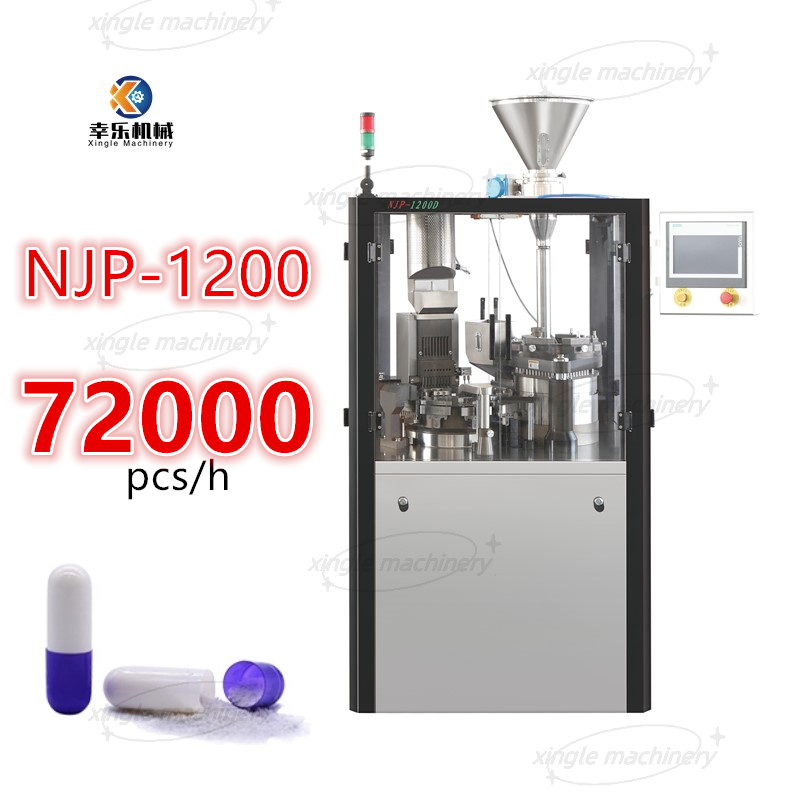
Capsule filling machines are integral to producing capsules in various colors. These machines have advanced mechanisms that ensure precise color distribution. Typically, capsule filling machines are designed to accommodate both single-colored and multi-colored capsules, allowing manufacturers to customize products based on market demands.
The technology behind these machines is sophisticated, allowing for the consistent and uniform application of colorants to capsules. For example, some machines use automated color feeders that distribute pigments or dyes uniformly, ensuring that each capsule matches the intended shade.
Capsule Filling Machines for Various Color Applications
Machine Type | Color Handling Capabilities | Ideal Use Cases |
Automatic Filling Machines | Multiple colors, high precision | High-volume production of colored capsules |
Semi-Automatic Machines | Limited color variety | Small batches with fewer color variations |
Manual Filling Machines | Custom color mixtures | Niche products with specific color demands |
Tip: Invest in a high-quality capsule filling machine with the capability to work with various colorants for a smoother, more efficient production process.
The choice of capsule color can impact the efficiency of capsule filling machines. Lighter colors tend to be easier to work with, as they are less likely to cause clogging in the machine’s dispensing systems. In contrast, darker pigments or those with heavier molecules might slow down the filling process, requiring more frequent cleaning and adjustment of machinery.
Using the right capsule color can also minimize maintenance costs and extend the longevity of capsule filling machines. It’s essential to choose colors that are compatible with the specific model of your filling machine.
Advanced capsule filling machines are equipped with technology that ensures precision in the capsule color application. Automated systems and color matching technologies help maintain consistency in color during production. These machines can detect color variations and adjust settings automatically, ensuring every capsule is uniform in color.
By preventing color variations, manufacturers can produce large batches of capsules without sacrificing quality. This precision not only meets regulatory standards but also satisfies consumer expectations for visually appealing products.
When it comes to capsule colorants, manufacturers typically choose between natural and synthetic options. Natural colorants, derived from plant or mineral sources, appeal to health-conscious consumers and are seen as more eco-friendly. On the other hand, synthetic colorants offer a wider range of hues and are often more cost-effective, though they may not align with consumer preferences for organic products.
Each option has its advantages. Natural colorants are often perceived as safer and more sustainable, while synthetic ones are more versatile and durable.
Comparison of Natural vs Synthetic Colorants
Type | Source | Advantages | Disadvantages |
Natural Colorants | Plant, mineral sources | Eco-friendly, perceived as safer | Limited color range, more expensive |
Synthetic Colorants | Chemical compounds | Wider range of colors, cost-effective | May not align with consumer preferences for organic products |
Tip: Consider your target market when choosing between natural and synthetic colorants. Natural colorants might be more appealing to eco-conscious or health-focused consumers.
The colorants used in capsules can also affect the product’s stability and shelf life. Some colorants are more sensitive to light, temperature, or humidity and can cause the capsule to degrade over time. Manufacturers must carefully select colorants that will not only maintain the capsule’s appearance but also preserve the product’s integrity.
For example, some natural colorants may fade or degrade more quickly than synthetic alternatives, especially when exposed to direct sunlight or heat. Understanding the stability of colorants is crucial for ensuring the longevity of both the capsule and its contents.
Stability of Natural vs Synthetic Colorants
Colorant Type | Stability | Best Conditions for Use |
Natural Colorants | Less stable, may degrade under light or heat | Ideal for short shelf life, refrigerated storage |
Synthetic Colorants | More stable, resistant to environmental changes | Ideal for long shelf life, ambient temperature storage |
Consumers often have specific expectations regarding the color of capsules. For instance, they may expect vitamin capsules to be brightly colored, associating vibrant hues with effectiveness and energy. On the other hand, consumers may expect prescription medications to be in muted or neutral colors, symbolizing reliability and medical trust.
Manufacturers can boost sales by aligning capsule colors with consumer expectations, whether by using traditional colors for pharmaceuticals or more adventurous hues for supplements.
Prompt: Pay attention to consumer preferences when choosing capsule colors, as it can influence their buying decisions.
Color customization allows manufacturers to cater to specific market segments, whether targeting eco-conscious consumers with natural colorants or appealing to younger demographics with trendy, vibrant colors. Customizing capsule colors based on market preferences can lead to increased consumer engagement and higher sales.
By understanding the target market’s color preferences and expectations, businesses can create visually appealing products that stand out on the shelf.
Customizing Capsule Color for Market Segments
Market Segment | Preferred Capsule Color | Customization Strategy |
Eco-Conscious | Green, Brown, Earth tones | Use natural colorants, eco-friendly packaging |
Health-Conscious | White, Blue, Green | Use calming colors for wellness products |
Youth-Oriented | Bright colors (Red, Yellow, Pink) | Use vibrant colors for energy supplements |
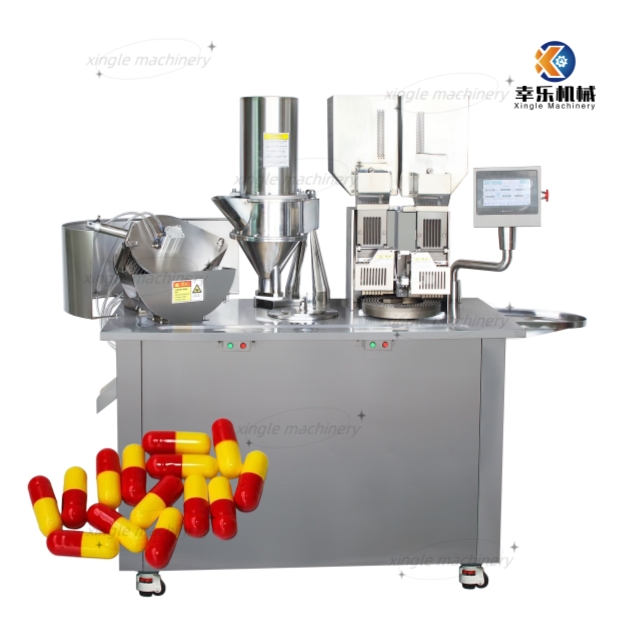
Capsule color is a powerful tool in product development, influencing everything from consumer trust to marketability. By understanding the psychological impact of color and aligning it with consumer preferences, manufacturers can significantly improve their products’ appeal. Xingle's capsule filling machines play an essential role in ensuring that color choices are accurately and efficiently applied in the production process. By choosing the right capsule colors and investing in advanced filling machines like those from Xingle, businesses can enhance product quality, streamline production, and build stronger connections with consumers.
Prompt: Maximize the potential of capsule color by aligning it with consumer preferences and leveraging technology for consistent, high-quality production.
A: A capsule filling machine is crucial in ensuring consistent color application during the manufacturing process, allowing for precise color distribution and uniformity across all capsules.
A: Capsule color influences consumer perception, trust, and branding. It helps convey product identity, quality, and purpose, which can affect purchasing decisions and customer loyalty.
A: Capsule filling machines are equipped with color-specific feeders and automated systems, enabling them to handle varying pigments and ensure accurate, uniform color application.
A: While capsule color itself does not affect the product's efficacy, it can influence consumer perceptions of the product’s quality, safety, and intended use.


