 English
Views: 0 Author: Site Editor Publish Time: 2026-01-09 Origin: Site


Powder filling machines are essential in industries like pharmaceuticals and food packaging. Have you ever wondered how these machines ensure precise powder measurement every time? In this article, we will discuss the working principle of powder filling machines and explore the key components that make them reliable. You will learn how these machines achieve accuracy and why they are crucial for maintaining product quality.
A powder filling machine is a device designed to automatically fill powders into various containers such as bottles, bags, or jars. These machines play a crucial role in industries where powder products need to be packed accurately and efficiently. Powder filling machines can handle different types of powders, from fine pharmaceutical substances to coarse food ingredients, ensuring that the correct amount is dispensed every time.
Powder filling machines are versatile and can be used to fill a wide range of powder-based products. Some common types of powders include:
● Pharmaceutical Powders: These include drugs, vitamins, and other health supplements. Precision is critical in the pharmaceutical industry to ensure proper dosage and compliance with regulations.
● Food Products: Powders such as flour, sugar, spices, and protein powders are commonly filled using these machines. These powders vary in consistency and particle size, requiring machines capable of handling different textures.
● Chemical Powders: This includes industrial powders like detergents, fertilizers, and pigments. Accurate filling is vital to maintain quality control and prevent wastage in industrial applications.
Each type of powder has unique characteristics, and the filling machine must be adaptable to handle different densities and flow behaviors.
Accurate powder filling is essential across various sectors to ensure product consistency, compliance with regulations, and cost-effectiveness. In industries such as pharmaceuticals, a slight error in the amount of powder can lead to incorrect dosages, potentially causing harm or reducing the efficacy of a product. For food products, accurate filling ensures that each package contains the correct amount, helping maintain both quality and brand reputation.
In addition to regulatory and quality concerns, precision in powder filling can significantly impact operational efficiency. By reducing overfill or underfill errors, companies can reduce material wastage, optimize production costs, and improve supply chain efficiency. Therefore, reliable powder filling machines with high precision are indispensable in ensuring the smooth operation of manufacturing processes.
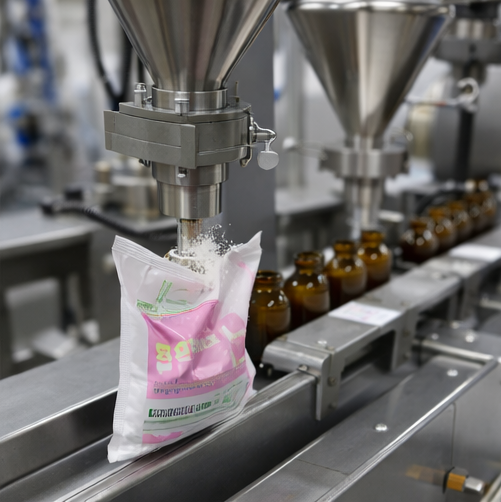
A powder filling machine is designed to automate the process of filling containers with powder-based products. These machines work by measuring and dispensing a precise amount of powder into various packaging types such as bottles, bags, or jars. The process ensures consistent, efficient, and accurate filling, crucial for industries like pharmaceuticals, food, and chemicals.
The primary function of a powder filling machine is to accurately measure and fill powder into containers. The process begins by loading the powder into a hopper, which is a large container that holds the powder until it is dispensed. From there, the powder is transferred into a metering mechanism, such as an auger or piston, that precisely controls the amount of powder dispensed. The powder is then transferred into the container, which is typically aligned with the machine using a conveyor or other automated mechanism.
The key aspect of this process is the precision with which the powder is measured and filled. The filling machine must account for variations in the powder’s density, moisture content, and particle size to ensure the correct amount is dispensed every time.
The powder filling process involves several key steps:
1. Loading the Powder: Powder is loaded into the hopper, which stores the product before dispensing.
2. Measuring the Powder: The machine measures the powder using a metering device such as an auger or vibratory feeder. This ensures the correct amount of powder is dispensed into each container.
3. Dispensing the Powder: The measured powder is transferred to the container through a controlled mechanism. Depending on the machine type, the powder can be dispensed using gravity, air pressure, or mechanical agitation.
4. Sealing and Packaging: After filling, the containers are sealed, either manually or automatically, depending on the machine’s design. This step also includes labeling and any other final packaging operations required.
Automation significantly improves the efficiency and accuracy of the powder filling process. With automated systems, the need for manual intervention is minimized, reducing human error and increasing throughput. Machines can handle high-speed operations, filling numerous containers in a fraction of the time it would take manually.
Automation also enhances the precision of powder measurement. Automated systems can adjust for variations in powder density or environmental conditions, ensuring a consistent fill volume. This level of control is essential for industries where precision is critical, such as pharmaceuticals, where incorrect dosages can have serious consequences. Furthermore, automation allows for real-time monitoring and adjustments, ensuring continuous performance and reducing downtime.
In summary, the integration of automation in powder filling machines improves both the speed and accuracy of the filling process, making it an indispensable tool in many industrial settings.
Powder filling machines are composed of several critical components that work in unison to ensure the accurate and efficient filling of powders into containers. Understanding each part of the machine and how it contributes to the overall process helps in appreciating the precision and efficiency these machines offer. Below, we break down the key components, their functions, and how they work together to achieve precise powder filling.
The hopper is where the powder is stored before it is dispensed into containers. It acts as the initial reservoir for the powder and controls the supply to the rest of the system. Its design ensures that the powder remains available in the right amount and consistency.
Key functions:
● Holds the powder supply.
● Feeds the powder into the auger system.
● Ensures a steady flow of powder to prevent interruptions in the filling process.
Design considerations:
● Some hoppers are equipped with vibrators or agitators to maintain an even powder flow, particularly for materials that tend to clump or settle.
● Hoppers may also feature seals or covers to prevent contamination, especially in sensitive industries like pharmaceuticals.
The auger is a screw-like mechanism that moves powder from the hopper to the filling station. It rotates to push powder from the hopper to the next stage of the process, ensuring a precise and controlled delivery.
Key functions:
● Transports powder from the hopper to the filler.
● Controls the flow rate and amount of powder dispensed.
● Adjusts based on powder density and flowability.
Considerations:
● For powders with irregular particle sizes or those prone to compaction, the auger ensures consistent movement, preventing blockages or uneven dispensing.
● Adjustable auger settings allow for flexibility in handling different powder types.
The filler is responsible for the actual dispensing of the powder into containers. Depending on the application, there are different types of fillers, such as volumetric and gravimetric fillers.
Filler Type | How It Works | Best Used For |
Volumetric | Dispenses a set volume of powder. | General applications where weight consistency is less critical. |
Gravimetric | Dispenses based on the weight of the powder. | Precise filling where exact measurements are necessary, such as pharmaceuticals. |
Key functions:
● Dispenses a predetermined amount of powder into containers.
● Ensures that each container receives the correct fill amount, either by volume or weight.
Considerations:
● In sensitive industries, like pharmaceuticals, gravimetric fillers are preferred due to their high accuracy.
The controls are the electronic and mechanical systems that regulate the operations of the powder filling machine. These include the settings for the auger speed, hopper feed rate, and filling amounts. Modern systems come equipped with user-friendly interfaces, allowing operators to adjust settings as needed.
Key functions:
● Regulates the operation of all components, ensuring they work in harmony.
● Allows for easy adjustments, such as changing fill weights or powder types.
● Provides real-time monitoring of the system to prevent errors and ensure consistency.
Considerations:
● Controls often include alarms or warnings in case of discrepancies, such as overfilling or clogging.
● With programmable logic controllers (PLCs), the system can adapt to different types of powders or container sizes with minimal downtime.
These components work in tandem to create an efficient and accurate powder filling process. Here’s how they interact:
1. The hopper stores and feeds powder into the auger.
2. The auger moves the powder into the filler, where it is dispensed either by volume or weight.
3. The controls monitor and regulate all the components, ensuring they are working together to fill the containers accurately.
This coordinated system allows for high precision, preventing overfilling or underfilling while maintaining consistent product quality. Whether it's pharmaceutical-grade powders or food ingredients, the combination of these components ensures that the filling process is seamless, efficient, and accurate.
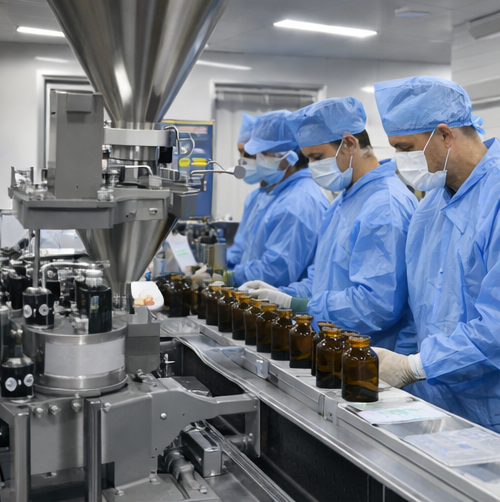
The powder filling process involves several steps to ensure the accurate and efficient filling of containers. These steps may vary depending on the type of powder and the machine used.
The first step is to load the powder into the hopper, where it is stored until ready for dispensing. Proper loading is crucial for a steady flow of powder throughout the process.
Method | Description |
Automatic Loading | Powder is automatically fed from bulk containers into the hopper. Suitable for large-scale operations. |
Manual Loading | Powder is manually added to the hopper for smaller operations or when handling special materials. |
Once the powder is loaded, it is then measured and dispensed into the containers. This step ensures the correct amount of powder is filled in each container.
Dispensing Method | Description |
Volumetric Dispensing | Powder is dispensed by volume, suitable for powders with consistent flow properties. |
Gravimetric Dispensing | Powder is dispensed by weight, offering greater accuracy, ideal for irregular or dense powders. |
After dispensing, the containers are sealed to prevent contamination and ensure the product remains secure for storage and shipping.
Sealing Method | Description |
Heat Sealing | Typically used for pouches or bags, where the open end is sealed by heat. |
Cap Sealing | Used for bottles and jars, where a cap is placed and sealed to close the container. |
The powder filling process can vary depending on both the type of powder and the type of machine.
Factor | Impact on the Process |
Powder Type | Powders with varying flow properties (fine, coarse, or sticky) may require different hopper designs or dispensing methods. |
Machine Type | Machines with specialized augers or dispensers may be used for specific powders, such as those requiring higher precision. |
In industries like pharmaceuticals and food packaging, the precision of powder filling directly impacts product quality and consumer safety. For pharmaceuticals, accurate dosing is essential to ensure that patients receive the correct amount of active ingredients. Any variation in powder quantity can affect the efficacy of the medicine, leading to potential health risks. Similarly, in food packaging, the correct measurement of ingredients ensures product consistency, preventing variations in taste, texture, or nutritional value. Inaccurate filling can also result in non-compliance with industry regulations, leading to costly recalls or legal actions.
Powder filling machines use precision mechanisms to ensure consistent and accurate filling. Key components, such as augers, weigh cells, and sensors, work together to measure and dispense the powder with high precision. The auger, for instance, rotates at a controlled speed, delivering a precise volume of powder into each container. Calibration systems are also integral to maintaining accuracy, allowing machines to adjust and correct any minor inconsistencies during the filling process. These systems continuously monitor the filling process, ensuring that each unit meets the specified weight and volume.
Improper powder filling can lead to several negative outcomes. For one, wastage is a significant concern; excess powder results in unnecessary material costs and inefficiencies. In addition, incorrect filling can lead to product quality issues, such as inconsistent formulations or dosages in pharmaceuticals and food items. The regulatory implications are another serious consequence; regulatory bodies like the FDA and the European Medicines Agency impose strict guidelines on powder filling accuracy. Failure to meet these standards can result in fines, product recalls, and a damaged reputation. In severe cases, the lack of precision can lead to customer dissatisfaction or health hazards.
The powder filling machine works through precise mechanisms to ensure accurate powder measurement. Key components like augers and sensors play an essential role in maintaining efficiency. Choosing the right machine is crucial for meeting specific filling needs. Understanding how these machines function helps make informed decisions. Foshan Xingle Machinery Equipment Co.,Ltd. provides reliable and accurate powder filling solutions, ensuring high-quality production and efficiency.
A: A powder filling machine is used to accurately measure and fill powdered substances into containers. It works by using mechanisms like augers and sensors to ensure precise measurement, crucial for industries like pharmaceuticals and food packaging.
A: Powder filling machines are widely used in pharmaceuticals, food, chemicals, and cosmetics industries. They are essential for packaging products like medications, powdered food ingredients, and cosmetic powders.
A: A powder filling machine increases operational efficiency by automating the filling process, reducing human error, and ensuring consistent quality and accuracy, which is essential for meeting regulatory standards.
A: Regular calibration, cleaning, and part inspections are essential for maintaining powder filling machines. Proper maintenance helps ensure long-term accuracy and minimizes downtime in production.
A: The cost of a powder filling machine depends on factors such as machine capacity, complexity, and required features. Operational costs, including maintenance and energy usage, should also be considered over its lifecycle.


