 English
Views: 0 Author: Site Editor Publish Time: 2026-01-20 Origin: Site


Are you curious about how your favorite beverages or sauces are packaged so precisely? It all comes down to the liquid filling machine. These machines play a crucial role in industries like food and pharmaceuticals, ensuring efficiency and accuracy.
In this article, we’ll explore the different types of liquid filling machines, their benefits, and how they impact production processes. You’ll learn how these machines work and why they’re essential for consistent, high-quality packaging.
Liquid filling machines are essential in industries such as pharmaceuticals, food, and cosmetics. Understanding the different types can help businesses choose the right equipment for their needs, as each type handles specific product characteristics and production requirements.
● Automatic liquid filling machines operate independently, filling containers without manual intervention. They are designed for high-volume production and minimize human error.
● Semi-automatic liquid filling machines require some manual operation, such as container placement or adjustment. They suit smaller production runs or businesses needing flexibility in product types or packaging sizes.
Comparison Table: Automatic vs. Semi-Automatic Machines
Feature | Automatic Machine | Semi-Automatic Machine |
Operation | Fully automated | Requires manual intervention |
Production Volume | High | Smaller |
Labor Requirement | Low | High |
Cost | Higher | Lower |
Ideal Use | Mass production | Flexible, small to medium runs |
Common filling systems include volumetric, gravimetric, piston, and peristaltic filling. Each system suits specific liquids and production requirements.
Dispenses a precise volume into each container. Suitable for products with consistent viscosity.
● Advantages: High speed, accuracy, consistency
● Best for: Low-viscosity liquids such as water or juice
Fills based on the liquid's weight, ensuring accurate dosing for varying densities.
● Advantages: High precision, weight-based dispensing
● Best for: Oils, chemicals, or liquids with variable density
Uses a piston to dispense specific volumes, ideal for thick liquids.
● Advantages: Handles viscous liquids, customizable volumes
● Best for: Creams, pastes, sauces
Pushes liquid through a tube for controlled flow, minimizing contact with the machine.
● Advantages: Minimal product contact, suitable for delicate liquids
● Best for: Medical, pharmaceutical, and cosmetic applications
Filling Systems Comparison Table
Filling System | Best for | Advantages |
Volumetric | Low-viscosity liquids | High speed, accurate, consistent |
Gravimetric | Liquids with variable density | Weight-based, precise |
Piston | Thick liquids | Customizable volumes, versatile |
Peristaltic | Delicate liquids | Minimal contact, hygienic |
Liquid filling machines are vital for accurately dispensing liquids into containers, from small vials to large bottles. The process behind these machines is carefully engineered to ensure precision, speed, and efficiency. Understanding how liquid filling machines work is essential for selecting the right equipment for your production needs.
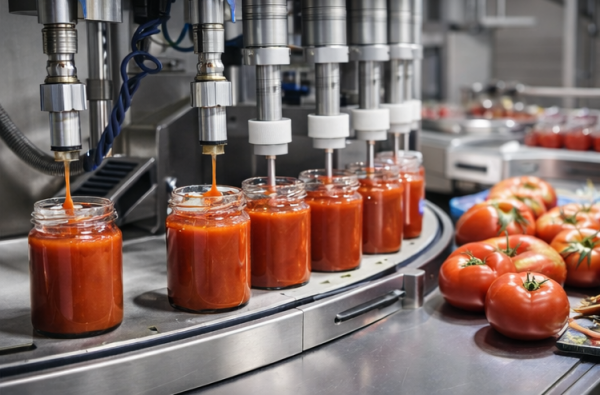
Liquid filling machines use various mechanisms to dispense liquids into containers. The most common filling methods include volumetric, gravimetric, piston, and peristaltic systems. Each method is designed to ensure that the right amount of liquid is dispensed, depending on the product type, viscosity, and container size.
● Volumetric filling works by dispensing a specific volume of liquid into each container. It is ideal for liquids with consistent properties, like water or beverages.
● Gravimetric filling uses weight as a measure, ensuring that the right amount of liquid is filled into containers, especially for liquids with varying densities.
● Piston filling utilizes a piston mechanism that pushes a set volume of liquid into the container. This is commonly used for thicker liquids, such as creams or pastes.
● Peristaltic filling involves moving liquids through flexible tubing, ensuring minimal product contact with the machine and making it ideal for sensitive liquids in industries like pharmaceuticals.
The process of liquid filling involves several key stages, each ensuring the accurate and efficient filling of containers. Here's a typical step-by-step guide:
1. Container Loading: Containers are placed in the filling station, either manually or automatically, depending on the system.
2. Liquid Dispensing: The machine then dispenses the liquid into the container. Depending on the type of machine, this may involve gravity flow, pump action, or piston-driven mechanisms.
3. Capping and Sealing: After the container is filled, it moves to a capping station where the lid or cap is securely applied. This step may be automated or semi-automated, ensuring a tight seal.
4. Inspection: In some cases, machines are equipped with sensors to check for proper filling levels or detect any defects before the containers are moved to packaging.
5. Packaging: Once filled and sealed, the containers are ready for packaging, either in boxes or pallets for shipping.
Process Flow Chart:
Step | Description |
Container Loading | Place containers in the filling station |
Liquid Dispensing | Fill containers with liquid |
Capping and Sealing | Securely apply caps or seals |
Inspection | Ensure correct fill levels and quality |
Packaging | Pack containers for shipment |
Selecting the correct liquid filling machine is critical to maintaining efficiency and product quality. Factors to consider when choosing a liquid filling machine include:
● Liquid Type: The viscosity, density, and chemical properties of the liquid can affect the filling method. For example, thicker liquids require piston or peristaltic systems, while water-like liquids work well with volumetric or gravimetric systems.
● Production Volume: High-volume production lines benefit from fully automatic machines that can process large quantities quickly, while smaller operations may be better suited to semi-automatic machines.
● Container Size and Shape: Some machines are more flexible and can handle various container sizes, while others may be specialized for one specific type.
● Regulatory Compliance: For industries such as pharmaceuticals or food production, choosing a machine that complies with relevant safety and health regulations is essential.
Automatic liquid filling machines are transforming industries by enhancing production efficiency, reducing human error, and improving cost-effectiveness. These machines provide several advantages, especially in high-volume production environments. Let’s explore the key benefits.
Automatic liquid filling machines optimize production speed and reduce downtime, operating continuously without the need for breaks. They are designed for high-volume production, enabling businesses to meet tight deadlines and increase production rates.
● Increased throughput: These machines can fill large quantities of containers quickly, boosting overall production.
● Reduced bottlenecks: With minimal manual intervention, the filling process remains smooth, minimizing errors typically caused by human operators.
● Consistent performance: These systems deliver consistent efficiency, unaffected by fatigue or distraction.
Human error is a major factor in manual filling, particularly during high-speed operations. Automation addresses this by eliminating common mistakes.
● Precision and accuracy: Automated systems provide exact amounts of liquid, ensuring consistency across filled containers, especially crucial in industries such as pharmaceuticals.
● Fewer mistakes: By reducing human involvement, the risk of overfilling or underfilling is minimized.
● Higher production rates: Automation allows for continuous operation, which significantly increases production speed compared to manual processes.
Comparison Table: Human Error vs. Automation
Factor | Manual Filling | Automatic Filling |
Accuracy | Prone to human error | High precision |
Production Speed | Slower due to manual input | Faster, continuous operation |
Risk of Errors | Higher risk of mistakes | Minimal errors |
Labor Involvement | High labor requirement | Reduced labor requirement |
Although automatic liquid filling machines can have a higher initial cost, they are a more cost-effective solution in the long run, particularly in high-volume settings.
● Lower labor costs: By automating the process, businesses require fewer workers, reducing labor costs significantly.
● Reduced material waste: These systems are precise, minimizing spillage and ensuring that raw materials are used efficiently.
● Lower maintenance costs: Fewer moving parts and less manual handling mean that automatic machines typically require less maintenance, reducing long-term operational costs.
Cost Comparison: Manual vs. Automatic Systems
Cost Factor | Manual Filling | Automatic Filling |
Labor Costs | High | Low |
Material Waste | Higher due to inconsistency | Minimal due to precision |
Maintenance | Frequent maintenance needed | Less maintenance required |
Liquid filling machines are crucial in the food industry for the efficient and hygienic packaging of food products. These machines are specifically designed to handle various liquid food items while ensuring product safety and quality. This section covers the specific requirements for food-grade filling machines, challenges in filling food products, and the ways these machines maintain hygiene and consistency.
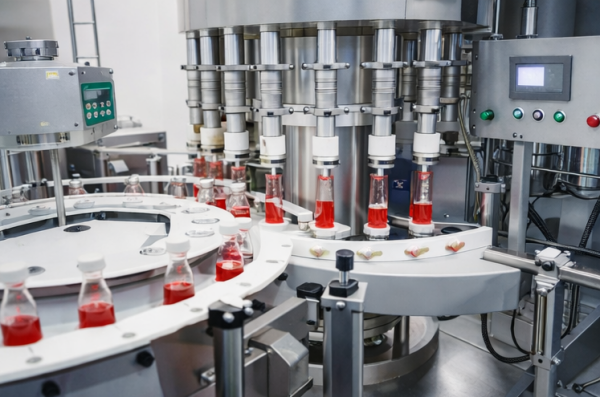
Food-grade liquid filling machines must adhere to strict safety standards and prevent contamination during production.
● Material Compatibility: These machines are made of non-corrosive, food-safe materials like stainless steel to ensure no contamination of the products.
● Ease of Cleaning: Designed to be easily disassembled, these machines allow for efficient cleaning to meet food safety standards between production runs.
● Compliance with Regulations: To meet industry standards, these machines are built to comply with regulations such as FDA requirements, guaranteeing they are safe for food processing.
Filling food products such as beverages and sauces comes with unique challenges that require specialized solutions.
Challenge | Product Example | Solution |
Viscosity Variations | Sauces, syrups | Adjustable piston systems |
Carbonation | Soft drinks, beers | Pressure-controlled systems |
Foam Management | Dairy products | Foam control mechanisms |
Maintaining hygiene and consistency is vital in food production to ensure product safety and quality.
● CIP Systems: Clean-in-Place (CIP) systems are integrated into many food-grade filling machines to facilitate efficient cleaning between batches.
● Accurate Filling: Automated sensors ensure that each container is filled to the correct level, maintaining consistency and reducing the chances of overfilling or underfilling.
● Prevention of Contamination: Enclosed filling systems reduce the risk of contamination during the production process, and air filtration systems are used to maintain a clean environment.
Hygiene and Consistency Features:
● CIP cleaning for quick sanitation
● Sensors for precise and uniform fills
● Sealed systems to minimize contamination
Regular maintenance of liquid filling machines is essential to ensure their reliable performance and longevity. By keeping the machine in optimal condition, businesses can avoid costly repairs, reduce downtime, and maintain consistent production quality. This section covers the importance of maintenance, common issues with liquid filling machines, and tips for extending their lifespan.
Regular maintenance is crucial to ensuring that a liquid filling machine performs consistently and reliably over time. Routine checks and servicing help identify potential problems before they escalate, preventing unexpected breakdowns that can disrupt production.
● Preventing Unexpected Failures: Regular maintenance helps detect worn-out parts or potential issues that could lead to machine failure.
● Maintaining Accuracy: A well-maintained filling machine continues to provide precise and consistent filling, reducing the likelihood of overfilling or underfilling.
● Reducing Downtime: Regular maintenance reduces the risk of emergency repairs, ensuring that production runs smoothly without extended downtime.
While liquid filling machines are generally reliable, they can encounter issues over time. Understanding these common issues can help businesses take preventative measures to avoid them.
Issue | Solution |
Clogging of Nozzles | Regular cleaning of nozzles and valves |
Inconsistent Filling | Periodic calibration and parts replacement |
Air or Gas Leaks | Inspect and replace seals and gaskets |
Maintaining the longevity of a liquid filling machine involves more than just fixing issues as they arise. Following proper maintenance practices can help ensure the machine remains efficient and durable for years.
● Regular Lubrication: Ensure that all moving parts are lubricated as per the manufacturer's guidelines to reduce wear and tear.
● Scheduled Inspections: Implement a routine inspection schedule to check for wear on seals, belts, and other critical components.
● Environment Control: Ensure that the machine operates in a clean, controlled environment to reduce the risk of contamination or damage from external factors.
● Operator Training: Train operators to handle the machine properly and ensure they follow proper cleaning and maintenance procedures.
Liquid filling machines are essential for ensuring accuracy and efficiency in various industries. Choosing the right machine can significantly impact production rates and product quality. Proper maintenance is crucial for longevity and optimal performance. Foshan Xingle Machinery Equipment Co., Ltd. provides high-quality filling machines designed to meet diverse industry needs, offering reliable, cost-effective solutions for efficient production processes.
A: A liquid filling machine is used to automate the process of filling containers with liquids, ensuring consistency and accuracy in industries like food, pharmaceuticals, and chemicals.
A: Choose a liquid filling machine based on factors such as product viscosity, required fill accuracy, production volume, and whether you need automatic or semi-automatic operation.
A: Regular maintenance includes cleaning the nozzles, calibrating the system, and checking for wear on seals and valves to ensure optimal performance and extend the machine's lifespan.
A: Key cost factors include the machine's automation level, production capacity, maintenance needs, and any specific customization required for your product.


