 English
Views: 0 Author: Site Editor Publish Time: 2025-12-09 Origin: Site


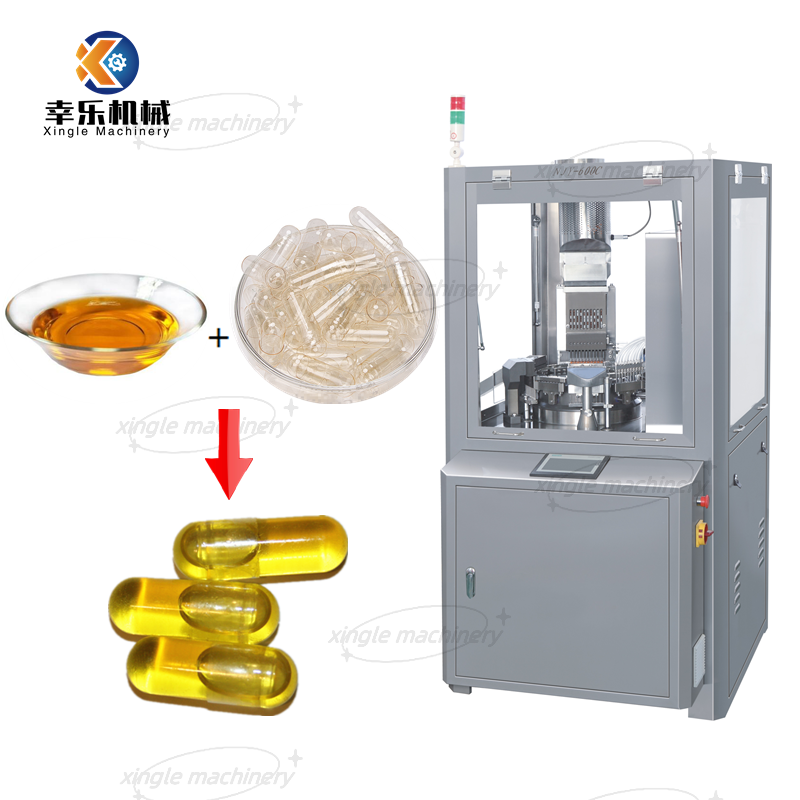
In the pharmaceutical and nutraceutical industries, ensuring the accuracy of capsule filling is a critical task. One essential part of the capsule filling process is the dosing disc, a component that helps regulate the amount of powder or liquid that is dispensed into each capsule. The dosing disc thickness plays a pivotal role in determining the dosage accuracy and efficiency of a capsule filling machine.
But what exactly is the dosing disc thickness, and why is it so important? This article will guide you through the process of calculating the dosing disc thickness, including factors that affect it and the key elements to consider when performing the calculation.
The thickness of a dosing disc is a crucial parameter for ensuring accurate filling in capsule filling machines. Factors such as tamping depth, capsule size, and formulation type directly influence this thickness. By understanding how to perform a dosing disc thickness calculation, manufacturers can achieve more consistent dosages, improving product quality and operational efficiency.
A dosing disc is an integral component of a capsule filler that controls the amount of product (powder, granules, or liquid) dispensed into each capsule. The dosing disc has multiple pins or holes that pick up the powdered material from a hopper and deposit it into the capsule shells. The design and thickness of the dosing disc directly impact the consistency and precision of the dosage.
The dosing disc works alongside other mechanisms in a capsule filling machine, including tamping pins, dosing wheels, and capsule alignment systems. The dosing disc's role is to provide the right amount of product into each capsule, which is critical for meeting regulatory standards and ensuring product efficacy.
The dosing disc thickness is a critical factor in determining how much product is dispensed into each capsule. An incorrectly calculated thickness can lead to several issues, including:
Overfilling or underfilling: If the dosing disc is too thick or too thin, the amount of product dispensed into each capsule will not be accurate, leading to inconsistent dosage.
Product wastage: Incorrect dosing disc thickness can cause material wastage, either by overfilling or spilling.
Operational inefficiency: Inaccurate dosage leads to rework and downtime, affecting production efficiency.
Non-compliance with regulations: For pharmaceutical products, dosage consistency is a must to comply with Good Manufacturing Practice (GMP) standards and other regulatory requirements.
Thus, calculating the correct dosing disc thickness ensures consistent and accurate filling, which is paramount for quality control, operational efficiency, and regulatory compliance.
The tamping depth refers to how deep the tamping pins penetrate the dosing disc. This factor impacts how tightly the powder is compressed in the pin holes, thus affecting the volume of powder dispensed. A deeper tamping depth results in more compacted powder, which could lead to higher product density and a thinner disc.
To calculate the correct tamping depth, follow these general guidelines:
Light powders: Shallower tamping depth to avoid compaction.
Heavy or dense powders: Deeper tamping depth for uniform filling.
The tamping depth is crucial because it influences the density of the dosage and affects the final thickness of the dosing disc.
Capsule sizes play a significant role in determining dosing disc thickness. Different capsule sizes require different amounts of material to be dispensed, which in turn affects the design and thickness of the dosing disc. Larger capsules, like size 00, require a thicker dosing disc, while smaller capsules, like size 4, require a thinner one.
The calculation for capsule size can be broken down as follows:
Determine the volume of the capsule: This can be found from the capsule specifications.
Factor in the density of the product: Different formulations (powders, granules, liquids) have different densities, which must be considered when calculating the dosing disc thickness.
The type of formulation (e.g., powders, granules, liquids) being filled into the capsules also impacts the dosing disc thickness. For instance, powders with higher flowability might require less tamping depth, while sticky or viscous substances like liquids might need a larger disc thickness to ensure proper dispensing.
When calculating the dosing disc thickness for different formulations:
Powders: Use tamping depth and capsule size to adjust the disc thickness based on flowability.
Granules: These require additional adjustments, as granules have different densities and bulk properties compared to powders.
Liquids: The disc design needs to account for the viscosity of the liquid, ensuring the liquid is dispensed correctly without spilling or overflow.
The combination of formulation and tamping depth will help in selecting the appropriate dosing disc thickness for optimal filling performance.
The accurate calculation of the dosing disc thickness for a capsule filling machine is fundamental to maintaining the precision, quality, and efficiency of capsule production. Understanding the factors that influence this calculation, such as tamping depth, capsule sizes, and formulation types, will help you make more informed decisions for your capsule filling process.
By ensuring proper dosing disc thickness, you can minimize product wastage, prevent dosage inconsistencies, and maintain compliance with industry standards, all of which are crucial for the success of your operations.
The ideal tamping depth varies depending on the powder type and capsule size. For light powders, a shallower depth is recommended, while for dense powders or granules, a deeper tamping depth may be necessary.
Larger capsules require a thicker dosing disc to accommodate the greater volume of material. Smaller capsules need thinner dosing discs.
Yes, incorrect dosing disc thickness can result in overfilling or underfilling, leading to material wastage. Ensuring accurate thickness can minimize wastage.
Formulation type, such as powder, granules, or liquids, affects the density and flow properties of the material. This must be factored into the dosing disc thickness calculation to ensure accurate dosage.


