 English

Views: 0 Author: Site Editor Publish Time: 2025-12-23 Origin: Site


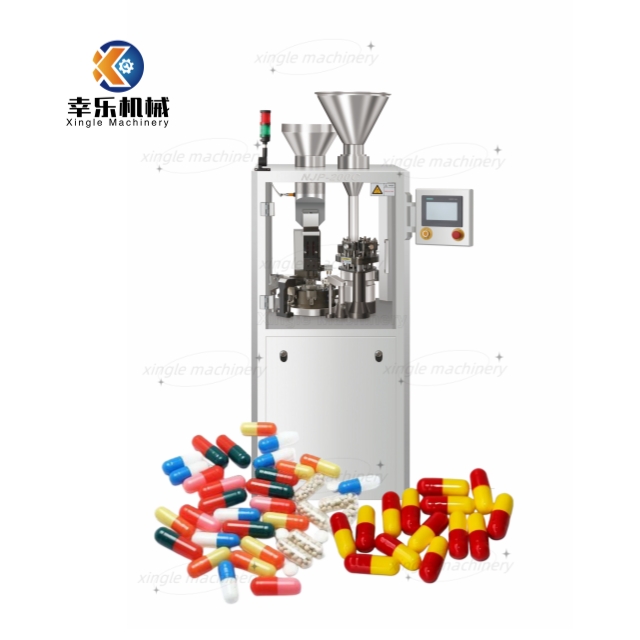
Manual capsule filling machines are critical for precision in the pharmaceutical industry. However, like any equipment, they can encounter problems that affect their performance. Regular troubleshooting and maintenance can keep them running efficiently, saving both time and costs. In this article, we will guide you through common issues and provide useful tips for maintaining your capsule filling machine.
A manual capsule filling machine is a piece of equipment used to fill empty capsules with powders, granules, or other pharmaceutical materials. These machines are widely used in small-scale production due to their affordability and simple operation.
Key Components:
Component | Function |
Filling Chamber | Holds the powder or granules for filling into capsules. |
Capsule Holders | Holds the empty capsules during the filling process. |
Punches | Used to press the powder into the capsule. |
Adjustable Mechanisms | Allow fine-tuning of the capsule size and filling amount. |
Manual capsule fillers come with several features designed to aid in the efficient and precise filling of capsules. Some key features include:
Feature | Functionality |
Adjustable Filling Volume | Allows customization of the amount of powder dispensed per capsule. |
Vacuum Systems | Prevents powder spillage and ensures cleanliness. |
Adjustable Capsule Size | Accommodates different capsule sizes, ensuring versatility. |
How These Features Affect Troubleshooting and Maintenance: These features make the machine versatile, but they can also be sources of issues. For example, misadjustment in the filling volume can lead to underfilling or overfilling, while the vacuum system may clog over time, leading to inefficiency.
The process begins by placing the empty capsules into the capsule holders. The machine then separates the capsule halves, and the filling chamber dispenses the powder into the open halves. Once the capsule is filled, the machine compresses the halves together and ejects the filled capsules.
The Role of the Operator: Operators need to ensure that the capsule holders are properly aligned and the filling mechanism is adjusted correctly. Operator errors, such as improper alignment or overloading the machine, can lead to common problems such as jamming or inconsistent filling.
Misalignment of capsules is a common issue, often leading to jamming during the filling process. This can happen due to improper placement of capsules or worn-out capsule holders.
Troubleshooting Steps:
Step | Action |
Check Alignment | Ensure the capsule holders are securely in place and properly aligned. |
Inspect for Wear | Check for worn-out capsule holders, springs, or punches. |
Clean the Machine | Remove powder or debris buildup that may obstruct movement. |
Inconsistent filling is another common problem that can be traced back to several factors such as improper powder consistency, machine settings, or incorrect operator actions.
Troubleshooting Steps:
Step | Action |
Check Powder Consistency | Ensure powder is uniform and free of clumps. |
Adjust Filling Volume | Ensure the machine is set to the correct volume for the capsules. |
Inspect the Machine | Look for any blockages or wear in the filling chamber or punches. |
Tip: Always use the recommended powder density for your specific capsule size to avoid underfilling.
Sealing capsules correctly is vital for ensuring product quality. If the capsules aren't sealing properly, you may notice leakage, causing the product to spoil or lose efficacy.
Troubleshooting Steps:
Step | Action |
Check Sealing Mechanism | Ensure that the sealing components are free of debris and functional. |
Inspect Capsule Halves | Make sure the capsule halves are properly aligned before sealing. |
Lubricate Machine Components | Apply lubrication to dry parts to improve sealing efficiency. |
Notes: Always use high-quality capsules that fit the machine’s specifications to prevent sealing issues.
Cleaning your manual capsule filler regularly is crucial to ensure smooth operation. Dust, powder buildup, or other contaminants can cause malfunctions and affect the quality of the capsules.
Steps for Cleaning:
Step | Action |
Disassemble the Machine | Remove all removable parts like capsule holders and filling chambers. |
Clean Thoroughly | Use a soft brush or cloth to clean each part, including hard-to-reach areas. |
Inspect for Damage | Check for signs of wear, cracks, or damage during the cleaning process. |
Tip: Clean the machine after each use to maintain hygiene and prevent contamination.
Regular lubrication and part replacement are essential for extending the life of your capsule filler.
Key Parts to Lubricate:
Part | Frequency of Lubrication |
Moving Parts (gears, joints) | Every few weeks |
Capsule Holders | Regularly during operation |
Part Replacement: Some components like springs, O-rings, or punches may wear out over time and need replacement to maintain optimal performance.
To maintain the accuracy of your capsule filler, it is important to regularly calibrate and adjust the machine.
Steps for Calibration:
Calibration Step | Action |
Check Filling Volume | Measure the powder in a few capsules and adjust the machine settings. |
Adjust Capsule Holders | Ensure that the holders fit the specific size of capsules in use. |
Test Capsule Sealing | Verify that the capsule seals properly by inspecting a sample batch. |
Tip: Always perform a test run with a small batch before moving on to a larger production run.
Electrical problems can disrupt the operation of a capsule filling machine, causing failures in the motor or the power supply system.
Troubleshooting Electrical Issues:
Step | Action |
Check Power Supply | Make sure the machine is plugged in and the power switch is on. |
Inspect the Motor | Check for damaged wires or faulty connections. |
Test the Circuit | Use a multimeter to ensure electrical continuity in all components. |
Over time, the mechanical components of a manual capsule filler will wear out, leading to breakdowns or reduced performance.
Common Mechanical Failures:
Failure Type | Symptoms | Action |
Broken Springs | Capsule misalignment, jamming | Replace springs immediately. |
Worn-out Gears | Inconsistent filling or machine malfunction | Inspect gears and replace any worn parts. |
Troubleshooting Mechanical Issues:
Step | Action |
Inspect Moving Parts | Check for visible wear or damage to gears and springs. |
Replace Damaged Components | Replace broken or worn-out parts immediately. |
Tighten Loose Components | Ensure all parts are properly tightened to avoid instability. |
To ensure the smooth functioning of your manual capsule filler, operators should adhere to best practices on a daily basis.
Best Practices:
Practice | Action |
Pre-operation Inspection | Check the machine for any visible issues before starting. |
Proper Powder Handling | Ensure powder is uniform and free from clumps. |
Avoid Overloading | Load only the recommended amount of capsules and powder. |
Tip: Develop a daily checklist to ensure that no step is overlooked during machine operation.
Preventative maintenance is key to minimizing breakdowns and ensuring long-term efficiency.
Steps for Preventative Maintenance:
Maintenance Step | Action |
Regular Cleaning | Clean the machine after each use to avoid powder buildup. |
Routine Lubrication | Lubricate moving parts every few weeks. |
Scheduled Part Replacements | Replace worn-out parts on a set schedule to prevent failures. |
Proper troubleshooting and maintenance are essential to ensure the longevity and efficiency of your manual capsule filling machine. By addressing common issues, performing routine maintenance, and adhering to best practices, you can avoid costly repairs and keep your equipment in optimal condition. Following the outlined steps will help improve the performance and lifespan of your capsule filler, ensuring it serves your production needs for years to come. If problems persist, consider seeking professional assistance from Xingle, the manufacturer of this product, for a more thorough inspection or repair.
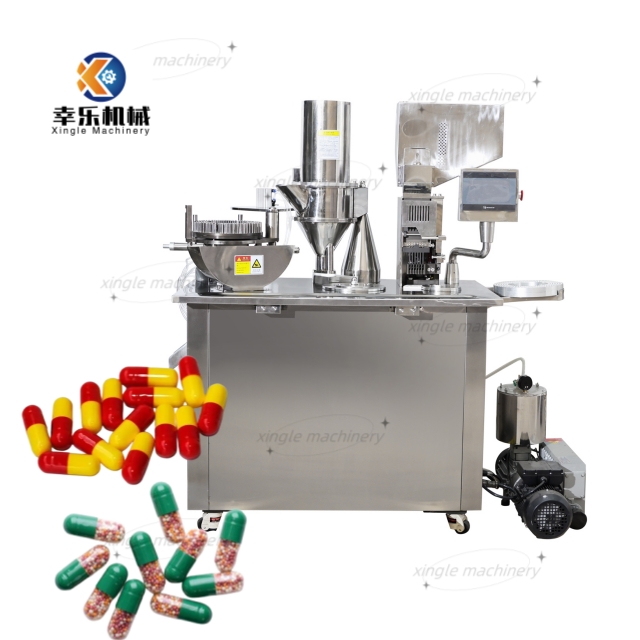
A: A manual capsule filling machine is a device used to fill empty capsules with powders, granules, or other pharmaceutical materials. It is commonly used for small-scale production and provides operators with more control over the filling process.
A: To troubleshoot a manual capsule filling machine, check for common issues such as poor alignment, inconsistent filling, or capsule sealing problems. Ensure proper calibration, clean components regularly, and inspect for worn-out parts to maintain smooth operation.
A: Regular maintenance of a manual capsule filling machine ensures optimal performance, prevents breakdowns, and extends its lifespan. It also helps avoid issues like jamming, uneven filling, or mechanical failures, which can lead to costly repairs and downtime.
A: Manual capsule filling machines offer precise control over the filling process, are cost-effective for small batches, and allow operators to adjust the machine for different capsule sizes and powder types, ensuring product consistency and quality.


