 English
Views: 0 Author: Site Editor Publish Time: 2025-11-14 Origin: Site


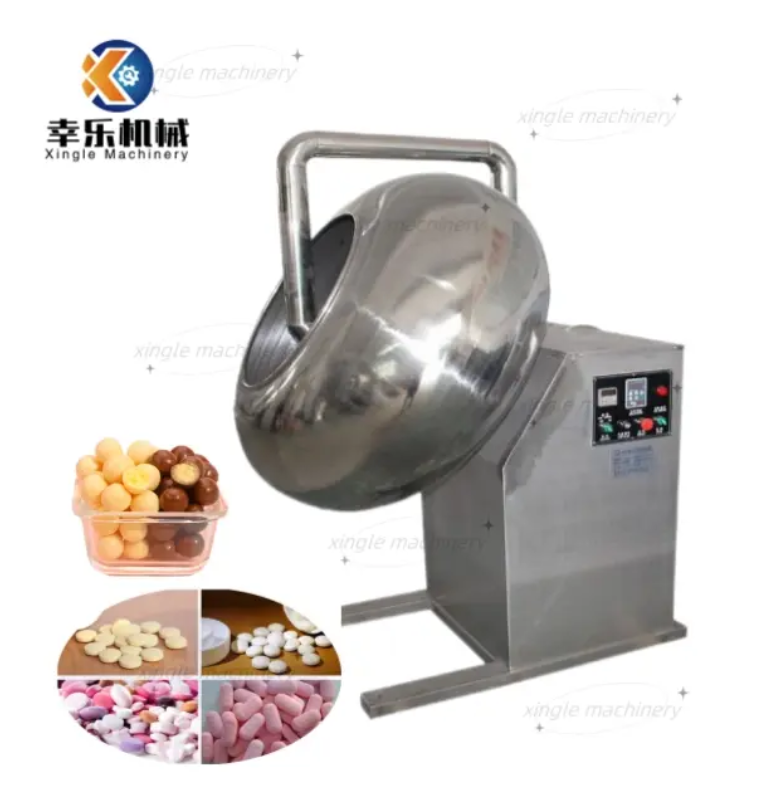
When it comes to tablet manufacturing, the coating plays a crucial role. It not only influences the aesthetics but also the stability, taste, and release mechanism of the product. Among the most popular types of tablet coatings are film coating and sugar coating. Both methods are widely used in the pharmaceutical, nutraceutical, and confectionery industries, but they serve different purposes and offer distinct advantages and disadvantages. Have you ever wondered which one is better for your product or which one would provide the most benefits?
In this article, we'll dive deep into the world of tablet coating, comparing the film coating and sugar coating processes. By the end, you'll have a clear understanding of the differences, benefits, and applications of each method, helping you make an informed choice based on your needs.
Choosing between film coating and sugar coating depends on several factors, including the intended purpose of the tablet, the desired release mechanism, and cost considerations. Film coating is a modern, more cost-effective method that offers precise control over the thickness and dissolution rate of the coating. On the other hand, sugar coating is an older technique that provides a thicker, more visually appealing finish, but it can be more time-consuming and costly. Understanding these differences is essential for making the right choice for your product.
Film coating involves applying a thin, uniform layer of polymer-based material to the surface of a tablet. The coating is typically made from materials such as hydroxypropyl methylcellulose (HPMC), ethylcellulose, or polyvinyl alcohol (PVA), which form a flexible and protective layer. This method is commonly used in pharmaceuticals and nutraceuticals to improve tablet stability, facilitate controlled release of the active ingredients, and enhance the tablet's appearance.
Thin Layer: The film coating is much thinner than sugar coating, usually in the range of 10-100 microns.
Faster Process: Film coating is a faster process compared to sugar coating, making it more efficient for large-scale production.
Customizable: The film coating process allows for greater control over the release rate of the tablet. It can be designed to be immediate, sustained, or controlled release.
Aesthetic Appeal: Film coatings are often more uniform and visually appealing, offering a glossy finish without adding significant weight or bulk to the tablet.
Cost-Effective: As it requires less material and is quicker to apply, film coating is generally more cost-effective than sugar coating.
Limited Thickness: Film coating offers less flexibility in terms of coating thickness compared to sugar coating.
Potential for Cracking: If not applied properly, the thin coating may crack, affecting the tablet's performance.
Limited Taste Masking: Film coatings do not offer the same level of taste masking as sugar coatings, making them less suitable for products where taste is a primary concern.
Sugar coating, a traditional method, involves the application of a thick, multi-layered coating of sugar syrup onto the tablet. This process starts by applying a small amount of syrup to the tablet, followed by rotating the tablet in a drum or pan to build up the layers gradually. Sugar coating not only provides a glossy, sweet taste but also acts as a barrier to protect the active ingredients in the tablet from environmental factors such as moisture and air.
Taste Masking: Sugar coating is excellent for masking the bitter taste of tablets, which is particularly important for pediatric and geriatric formulations.
Aesthetic Appeal: Sugar-coated tablets have a shiny, smooth finish, which can make them more appealing to consumers.
Protection: The thick sugar layer offers strong protection against moisture, light, and air, which can help extend the shelf life of the product.
Patient Compliance: Because of the sweet taste and pleasant texture, sugar-coated tablets are often preferred by patients, improving adherence to medication.
Thick Coating: The sugar coating adds significant bulk to the tablet, which increases its size and weight.
Time-Consuming: The sugar coating process is slower than film coating, requiring multiple layers and drying cycles, making it less efficient for mass production.
Higher Cost: Due to the time and materials required, sugar coating is generally more expensive than film coating.
Caloric Content: For certain applications, the added sugar content may be a drawback, especially for sugar-sensitive consumers.
When it comes to tablet coating, the decision between film coating and sugar coating largely depends on the specific needs of the product. Below is a detailed comparison of the two methods based on several key factors:
| Factor | Film Coating | Sugar Coating |
|---|---|---|
| Thickness of Coating | Thin, uniform layer (10-100 microns) | Thick, multiple layers |
| Time Efficiency | Faster process (minutes per tablet) | Slower process (hours per tablet) |
| Cost | Generally more cost-effective | Higher cost due to time and material usage |
| Aesthetic Appeal | Glossy, smooth finish with variety of colors | Shiny, sweet finish but bulkier in appearance |
| Taste Masking | Limited taste masking, but can use other methods | Excellent taste masking, especially for bitter drugs |
| Durability | Provides good protection, but more prone to cracking | Strong protection from moisture and air |
| Customization | Easily customized for controlled release forms | Less customizable for release profiles |
| Tablet Size | Smaller and lighter tablets | Larger and bulkier tablets |
Coating Thickness: Sugar coating adds a much thicker layer, which makes tablets larger and more noticeable. Film coating, on the other hand, is much thinner, keeping the tablet size relatively the same.
Processing Time: The film coating process is much quicker, making it suitable for high-volume manufacturing. Sugar coating requires more time to apply multiple layers, which can be a bottleneck in production.
Cost: Film coating is generally more cost-effective, particularly for large-scale productions, while sugar coating is a more expensive and time-consuming method.
Taste Masking: Sugar coating is better at masking the taste of bitter drugs, which is why it's often used in products that need to be more palatable, such as pediatric medications.
Durability: The thicker sugar coating provides better protection against environmental factors like moisture, whereas film coating is more vulnerable to cracking.
Both film coating and sugar coating have their own set of advantages and are suitable for different types of products. Film coating is ideal for fast-paced, cost-effective production with a focus on controlled release and a sleek finish. It's commonly used for pharmaceuticals and nutraceuticals where cost and efficiency are key factors. On the other hand, sugar coating is a traditional method best suited for products that require significant taste masking or a thicker protective layer.
In making the decision between film coating and sugar coating, manufacturers need to consider several factors including cost, production time, target market, and the specific requirements of the tablet, such as taste and appearance. By carefully evaluating these factors, you can choose the coating method that best fits your needs.
Film coating is a faster, thinner, and more cost-effective process that offers better control over the release of the active ingredients. Sugar coating is slower, thicker, and more expensive, but it provides excellent taste masking and protection against environmental factors.
Sugar coating is the best choice for taste masking, as it provides a sweet coating that hides the bitterness of tablets, especially in pediatric formulations.
While film coating provides protection, it is generally more prone to cracking compared to the thicker, more durable sugar coating, which offers better protection against moisture and air.
Yes, film coating can be customized to create tablets with controlled, delayed, or extended release profiles, making it ideal for time-release medications.
Film coating is typically more cost-effective for large-scale production due to its faster application process and the lower material costs compared to sugar coating.


